
The Complete Guide to Beef Tallow (Benefits, Uses, How to Make It)
Learn what beef tallow is, its benefits, and how to use it for cooking, skincare, and natural living in this complete beginner-friendly guide.

This post may contain affiliate links. Please read our disclosure policy.
Beef tallow, once cast aside in favor of vegetable oils and the fear of saturated fats, is quietly becoming a household staple again. With its versatility in both cooking and natural living, tallow is finding its place back in the home.
In this complete guide to beef tallow, you’ll learn what tallow is, the many ways to use it, and the benefits of incorporating this traditional, nourishing fat into your everyday life.
Pin now for later
WHAT IS BEEF TALLOW?
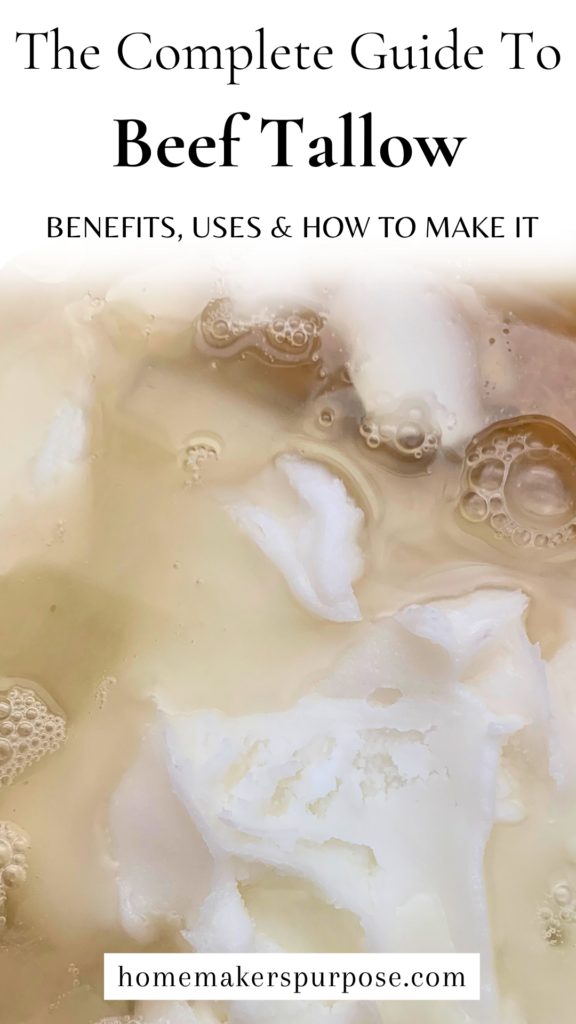
Beef tallow is rendered beef fat that has been melted, purified, and solidified into a shelf-stable saturated cooking fat.
Similar to lard (rendered pork fat), tallow is a saturated fat that remains stable at room temperature. Rendering is the process of slowly melting raw beef fat into a liquid oil, straining out the impurities, and allowing the liquid fat to cool and harden into a smooth, creamy white solid form that can be stored in an airtight container.
Traditionally, beef tallow was a staple in the home. Used for cooking, making soap and skincare products, conditioning leather, and even candle making (though not ideal). Because of its shelf stability, tallow could be rendered and stored for months. This was especially useful through winter, when needing fat was vital for survival yet difficult to attain.
BENEFITS OF BEEF TALLOW
Cooking Benefits
Beef tallow has a high smoke point around 400ºF which makes it ideal for frying potatoes, roasting and searing meats without creating carcinogens. No, you won’t be using it on salads. You can even use tallow to season your cast iron skillets – I have a full tutorial here!
Because tallow is a stable fat, it resists oxidation better than many highly processed oils. This stability makes it a practical option for cooking and long-term pantry storage.
Nutrition
Beef tallow is a saturated fat. These fats have been part of traditional diets around the globe and can be a satisfying, energy-dense addition to meals. Tallow has antimicrobial properties and is readily absorbed by our digestive system helping to maintain our health and immune system.
Tallow contains fat-soluble vitamins, including:
- Omega 6: helping with brain cell maintenance and function
- Vitamin A
- Vitamin D
- Vitamin E
- Vitamin K2
All of these nutrients are vital for our bodies function and hard to attain without animal based proteins and fats. This makes tallow an ideal superfood every home should use.
If you’re interested in learning more about traditional fats and diets check out the Weston A. Price Foundation.
Skincare Benefits
Nourishment isn’t only internal—what we use on our skin matters, too. Beef tallow has long been used in traditional skincare for its simplicity and compatibility with the skin.
Because its fatty acid profile is similar to the natural oils in our skin, tallow can help moisturize and support the skin barrier. It’s commonly used in products like soap, balms, and lotions.
Tallow contains beneficial components often used in skincare, including:
- Skin Benefiting Nutrients in Tallow
- Vitamin A – Promotes healthy skin and skin repair.
- Vitamin D – Soothes skin and retains moisture.
- Vitamin E – Provides antioxidant support.
- Vitamin K – Vital for protecting the skin barrier.
- Palmitic/Stearic/Oleic Acids – Fatty acids that help protect, hydrate and clean the skin.
HOW TO MAKE BEEF TALLOW
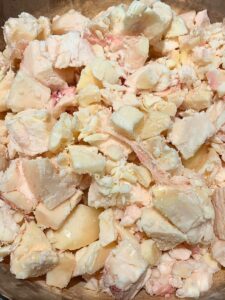
Beef tallow is made by slowly rendering raw beef fat into a liquid, then straining out any impurities, also known as cracklings, and allowing it to cool until solidified. The result is a clean creamy white shelf-stable cooking fat.
The process is similar to making ghee from butter. Heat is used to separate and purify the fat, leaving behind a smooth, usable final product.
While the basic method is simple, small details can make a big difference in the final quality, texture, and scent of your tallow.
If you’ve never rendered tallow before, I walk you through every step (with tips to avoid common mistakes) in this full guide.
HOW TO USE BEEF TALLOW
Cooking
One of the simplest ways to use beef tallow is to substitute it for other cooking oils in your kitchen. Its rich flavor and high smoke point make it especially useful for everyday cooking, from quick stovetop meals to slow-roasted dishes.
Here are some practical ways to incorporate beef tallow into your everyday cooking:
- Frying – Perfect for French fries, fried chicken, eggs, and pan-fried meats.
- Roasting – Toss potatoes or vegetables in melted tallow before roasting for crisp edges and deep flavor
- Searing – Ideal for steaks and burgers thanks to its heat stability
- Sautéing – Use in place of oil for vegetables, onions, and one-pan meals
- Greasing pans – Prevent sticking while adding a subtle richness, also excellent in seasoning cast iron skillets. I can walk you through how to care for cast iron here.
Note: Tallow can be used in baking but is not ideal due to the subtle beef flavor. Choose lard (the original shortening) for your baking recipes.
If you’re looking for simple ways to start, try it with roasted vegetables—like these tallow roasted potatoes or naturally sweet and crispy tallow sweet potato fries. Both are easy, flavorful ways to bring tallow into your everyday meals. Interested in more tips on cooking with tallow? Check out this guide where I walk you through how to cook with beef tallow.
Fun fact: Tallow was once the oil of choice used for French fries at McDonald’s—one of the reasons they were known for their rich, distinctive flavor. Many home cooks still prefer using tallow for fries today for that same crisp, savory result. You cannot “just have one”.
Skincare
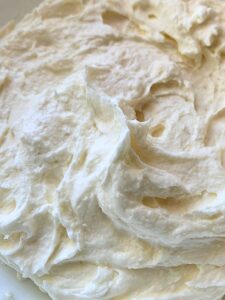
Tallow has been used in traditional skincare for generations. Because its fatty acid profile is similar to the natural oils found in our skin, it can be easily absorbed and helps support the skin’s moisture barrier.
Making tallow a simple, nourishing option for those looking to reduce highly processed ingredients and return to more traditional, whole-body care.
Tallow can be used to make:
- Dish Soap
- Body Soap
- Balms
- Moisturizers
- Lotions
- Sugar scrubs
Using tallow in this way reflects a traditional nose-to-tail approach. Making use of the whole animal for both cooking and everyday living.
If you’d like to start making your own, try my tallow moisturizer or this 100% tallow soap recipe, where I walk through the process step by step.
TALLOW VS OTHER FATS
At the turn of the century, most dietary fats came from traditional sources like butter, lard, tallow, coconut oil, and small amounts of olive oil. Today, a large portion of fats in the modern diet come from industrially processed vegetable oils such as soy, corn, safflower, and canola. Many of these oils are more prone to oxidation and have a shorter shelf life.
Quick Comparison:
- Tallow: stable, long shelf life, ideal for high heat
- Butter: flavorful, best for baking and lower heat
- Vegetable oils: more processed, shorter shelf life
- Coconut oil: stable, slightly sweet, great for baking
Tallow vs. Butter
Tallow and butter are both traditional fats that have been used for generations. While both come from cattle, tallow is rendered beef fat and completely dairy-free, whereas butter is made by separating milk fat from cream.
Tallow typically has a mild, slightly savory flavor and works well for high-heat cooking like frying, roasting, and searing. Butter is often preferred for baking and spreading due to its rich flavor and lower melting point.
Traditional diets often included both tallow and butter as staple fats. If you choose to use butter, opting for high-quality sources—such as grass-fed butter or even making your own from raw cream—can provide beneficial fat-soluble vitamins like vitamin K2.
Tallow vs. Vegetable Oil
Tallow is a traditional, minimally processed fat, while most vegetable oils (excluding olive oil) are industrially produced and high in polyunsaturated fats.
The extraction process used to produce many vegetable oils is intensive and involves high heat and chemical solvents. Because of this, along with their chemical structure, these oils can be more prone to oxidation and may already be degraded by the time they reach the shelf.
Polyunsaturated fats are more chemically reactive, meaning they can break down more easily when exposed to heat, light, and air. For this reason, many home cooks prefer more stable fats like tallow for high-heat cooking.
Vegetable oils are typically liquid at room temperature, while tallow remains solid. These oils tend to have a shorter shelf life and are best stored in cool, dark conditions to help prevent rancidity.
Tallow is naturally stable and can be stored for extended periods when properly rendered and kept in an airtight container.
Excess consumption of vegetable oils has been associated with various health concerns, particularly when they make up a large portion of the modern diet (Know Your Fats – Mary G. Enig; Nourishing Traditions).
Tallow vs. Coconut Oil
Tallow and coconut oil are both stable fats that are solid at room temperature, making them reliable options for cooking and storage.
The main difference is their source—tallow is an animal fat, while coconut oil is derived from tropical plants. Coconut oil is higher in saturated fat and contains lauric acid, which is often valued for its natural antimicrobial properties.
In the kitchen, tallow tends to have a more savory flavor, making it well-suited for cooking meats and vegetables, while coconut oil is often used in baking or recipes where a mild sweetness complements the dish.
If you enjoy cooking with coconut oil, it works especially well in baked or skillet recipes—like this healthy skillet granola, where it adds both texture and flavor.
Both fats are shelf-stable and can be stored for many months when kept in proper conditions.
IS TALLOW HEALTHY?
Beef tallow is a traditional fat that has been used for generations and remains a staple in many ancestral diets centered around whole, nourishing foods.
In our home, tallow has been the primary fat we use for years. It’s a dependable and available staple in our kitchen and aligns with our food stewardship values.
Tallow contains fat-soluble vitamins like A, D, E, and K and provides a stable source of energy that has long been valued in traditional ways of eating. Beyond the kitchen, it has also been used in skincare throughout history. Because it closely resembles the natural oils of our skin, it can help support the skin barrier and provide lasting moisture.
With its high smoke point and stability, tallow performs especially well for everyday cooking, particularly at higher temperatures whereas other oils may break down.
HOW TO STORE TALLOW
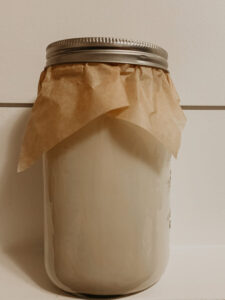
Beef tallow can be stored in a cool, dark place for up to a year or longer when kept in an airtight container. Its natural stability makes it well-suited for pantry storage.
For longer storage, tallow can also be kept in the refrigerator or freezer.
In our home, I prefer storing tallow in quart-size mason jars. They’re easy to keep on the shelf and a practical size for everyday use. We keep a jar in our kitchen pantry, while the bulk of our tallow is stored downstairs in our basement pantry.
A simple way to tell if tallow has gone bad is by smell. Fresh tallow has a mild, clean scent, while spoiled tallow will develop an off or rancid odor.
Properly rendered tallow should not develop mold. If mold is present, it typically indicates that moisture was left in the fat during the rendering process or that it was contaminated during storage.
Beef Tallow FAQ: Common Questions Answered
Yes, tallow can be used daily in the kitchen in a variety of recipes.
Yes, tallow is an excellent option for skincare due to antimicrobial and moisturizing properties.
Tallow is rendered beef fat whereas lard is render pork fat.
Tallow is the rendered fat from a beef cow.
Beef Tallow Summary
Beef tallow is a traditional, shelf-stable fat made by rendering beef fat into a clean cooking oil. It was widely used in ancestral diets and is now making a return in modern kitchens for both cooking and natural living.
It has a high smoke point, making it ideal for frying, roasting, and sautéing, and it stores well without easily going rancid when properly rendered and kept airtight. Tallow is also used in skincare for soaps, balms, and moisturizers due to its simple, nourishing composition.
From the kitchen to natural skincare, beef tallow is a versatile, time-tested fat that can replace many modern processed oils in the home.




I love tallow!! My husband makes it for me, and I’m so thankful.
My mom got me a jar of tallow and I tried another brand and loved it! Thanks for sharing!
I LOVE tallow! This post was fantastic! Great information! Thank you!
I’m jumping into rendering my own beef tallow for my goat milk soap! Love this post!!