
Magnesium Bath Soak Recipe for Relaxation (Ancient Beauty Secrets)
Create a relaxing magnesium bath soak at home using olive oil, milk, and herbs. This bath reduces stress, supports sleep, and nourishes skin naturally.
Long before modern skincare routines and synthetic products, women across ancient cultures understood that bathing was more than hygiene—it was ritual, beauty, and healing. From the royal traditions of the Middle East to the famed milk baths of Cleopatra, these time-tested practices nourished both body and spirit.
And the beauty of it?
We can bring these ancient secrets into our homes today.
Let’s create a luxurious, deeply relaxing bath that supports your skin, calms your nervous system, and prepares your body for true rest.
What is a Magnesium Bath Soak?
A magnesium bath soak is a warm bath made with magnesium flakes or salts, usually combined with other natural ingredients like oils or herbs to promote relaxation, improve sleep, and support skin health.
Why You’ll Love This Magnesium Bath Soak
Quick and easy – Prep once and enjoy a luxurious bath anytime
Relaxes your body and mind – Magnesium helps calm the nervous system and ease tension
Promotes better sleep – The perfect evening ritual to support deep, restful sleep
Nourishes dry skin – Olive oil and milk leave skin soft, hydrated, and glowing
Simple, natural ingredients – Free from synthetic fragrances and harsh chemicals
Rooted in ancient beauty – Inspired by time-tested, nourishing traditions
Azure Standard is my favorite place to source high quality products for most of the items in this magnesium bath.
The Ancient Art of Bathing
In ancient Persian culture, bathing was a sacred preparation. Queen Esther herself underwent months of specialized beauty treatments while in the king’s palace—many of which centered around oils, botanicals, and intentional rest.
Similarly, Roman and Greek women—often royalty—used olive oil and mineral-rich baths to maintain radiant, youthful skin.
These traditions weren’t excessive. They were wise.
They understood that caring for the body is foundational to health.
Pin Now For Later
Start With Olive Oil: The Original Skin Elixir
Olive oil has been used for centuries as a deeply nourishing skin treatment. Sophia Loren famously credited olive oil as part of her beauty routine.
Why it works:
- Rich in Vitamin E
- Packed with antioxidants like polyphenols
- Supports collagen production
- Improves skin elasticity
- Deeply moisturizes and conditions
This is especially beneficial in winter or for dry, irritated skin.
How to use:
Add about ¼ cup of olive oil to your bath.
Tip: Keep a separate jar in your bathroom just for bathing.
Important:
Avoid using soap after an oil bath—you’ll strip away all the nourishing benefits you just added.
Magnesium: The Master Mineral Your Body Craves
If your goal is relaxation, magnesium is essential.
Magnesium Bath vs Epsom Salt
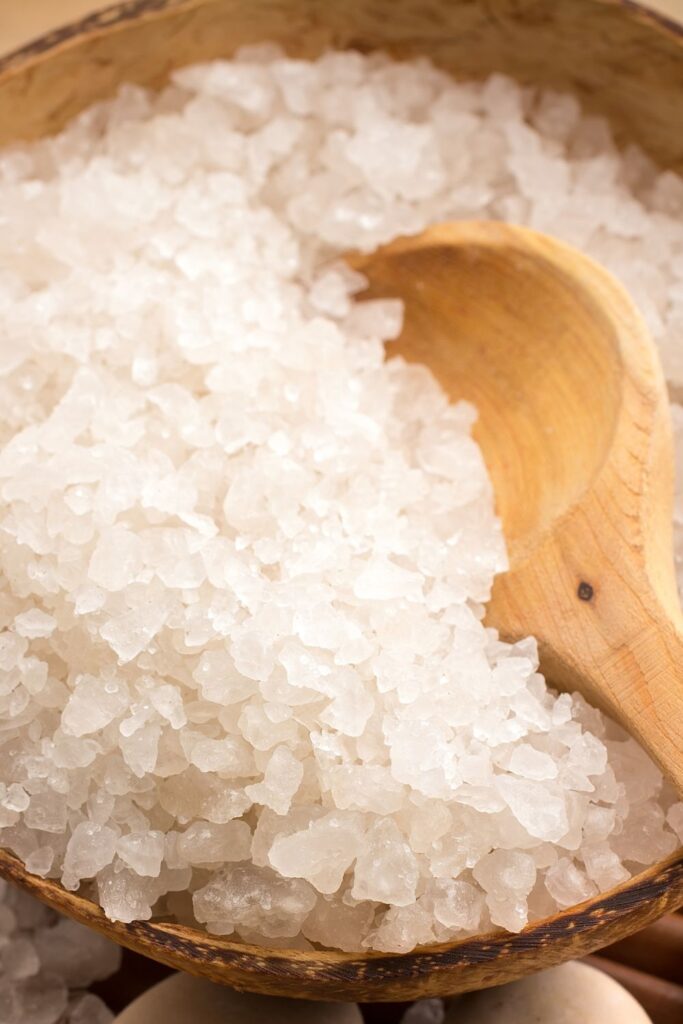
Instead of traditional Epsom salts (magnesium sulfate), use magnesium chloride flakes, which:
- Have a higher concentration of magnesium
- Are more easily absorbed through the skin
- Magnesium chloride baths are often used for relaxation and muscle recovery.
Why magnesium matters:
- Recharge mineral for our mitochondria (our cell batteries)
- Relaxes muscles after long days or workouts
- Supports deeper, more restful sleep (another reason to bathe at night)
- Helps regulate melatonin
- Calms the nervous system and reduces stress
- Supports hydration and skin health
- Aids overall mineral balance (heart, bones, lymphatic system)
- Regulates bowel function – It doesn’t just calm your mental nerves wink wink 😉
Stress rapidly depletes magnesium—and most people are already deficient.
(75% according to this study)
Common signs of magnesium deficiency include:
- Muscle cramps or twitching
- Anxiety and stress
- Fatigue and weakness
- Poor sleep
- Headaches
- Irregular heartbeat
How Much Magnesium Flakes to Use in a Bath
Add 2 cups of magnesium flakes to your bath and soak for 15–20 minutes.
Choose unscented varieties and add your own essential oils to avoid synthetic fragrances, which can disrupt hormone health.
Milk Baths: Cleopatra’s Secret to Soft Skin
Milk baths have been used for thousands of years, most famously by Cleopatra.
Why milk works:
- Contains lactic acid, a gentle exfoliant (alpha hydroxy acid)
- Helps reduce the appearance of fine lines
- Rich in vitamins A and D
- Deeply hydrating and soothing
Milk fats nourish the skin in a similar way to traditional fats like tallow. Learn more about tallow here.
Perfect for:
- Dry or itchy skin
- Eczema or irritation
- Dull or rough texture
Add 1–2 cups of powdered or fresh milk to your bath.
Essential Oils: Scent as Medicine
While we may not be bathing in myrrh like ancient royalty, we can still harness the power of botanicals through essential oils.
A favorite is copaiba for its warm, woodsy, amber-like scent.
Other calming combinations:
- Lavender + eucalyptus (relaxing + refreshing)
- Geranium + ylang ylang (feminine, balancing, and uplifting)
Many of these oils are traditionally associated with:
- Relaxation
- Beauty rituals
- Even mild aphrodisiac properties
Just a few drops will transform your bath into a sensory experience.
Oats: Simple, Soothing, and Effective
Ground oats are one of the easiest and most effective additions to a bath.
Benefits:
- Rich in Vitamin E
- Creates a natural moisture barrier
- Soothes itching and irritation
- Gently exfoliates the skin
Ideal for:
- Eczema
- Sensitive skin
- Even childhood skin irritations
Simply grind oats and add directly to your bath.
Clay: Mineral-Rich and Detoxifying
Clays have long been used for their ability to bind impurities and nourish the skin.
Bentonite clay is especially popular because:
- It’s rich in magnesium, calcium, and potassium
- Helps draw out impurities
- Supports skin clarity
Clays also carry a negative charge, which may help balance the positive charge our bodies accumulate from stress and environmental exposure like non-native emf.
Herbs, Teas, and Petals: Beauty + Function
Adding herbs to your bath isn’t just for aesthetics—they infuse the water with beneficial compounds.
Some favorites:
- Calendula petals – soothe dry, irritated skin
- Black tea – tannins help reduce redness (great for sunburn)
- Peppermint – refreshing and muscle-relieving
Herbal baths are especially calming during the menstrual phase, offering both physical and emotional support.
A Note on Borax (Boron)
A small amount of borax (about 1 tablespoon per bath) provides boron, a trace mineral that supports magnesium utilization within the body.
Used properly and in small quantities, it can complement your mineral bath routine.
When to Take a Magnesium Bath: Why a Nightly Magnesium Bath Is Essential
Caring for yourself doesn’t have to be complicated or expensive.
Create a Nightly Bath Ritual
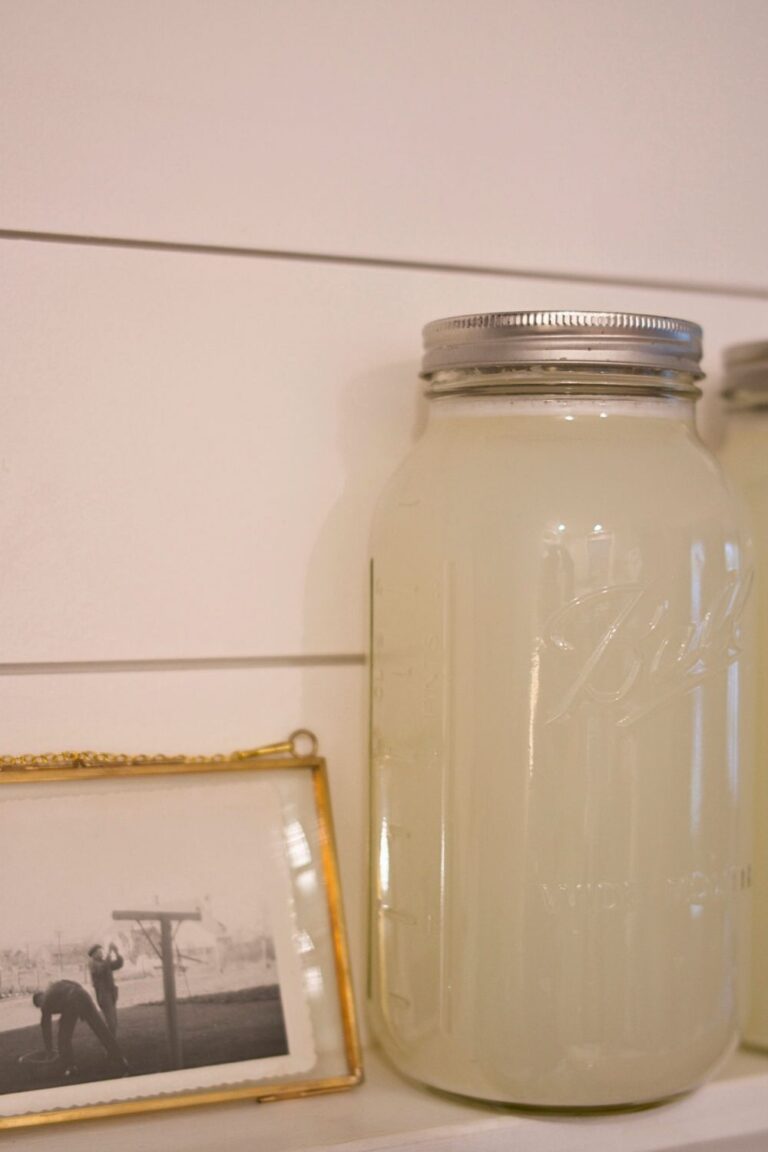
One of the simplest ways to make this sustainable is to prepare a pre-mixed bath jar.
Keep a large glass jar (I like this one as it can double as a bath side table) in your bathroom filled with:
This allows you to create a nourishing bath in seconds.
The Power of a Screen-Free Evening
A nightly bath offers more than skin benefits—it helps reset your rhythm.
- No blue light, benefiting your circadian rhythm!
- Candlelight encourages natural melatonin production
- A quiet space to unwind and reflect.
Consider listening to an audiobook or simply sitting in stillness.
This is your transition from doing to resting.
A Gentle Reminder
After your bath, quickly wipe down your tub to prevent slipping from oils and to keep your space clean and ready for the next evening.
These ancient practices remind us that beauty and health are built through simple, consistent rituals—rooted in nourishment, rest, and intention.
Your bath can become more than a routine.
It can become a rhythm of restoration.
Magnesium Bath Soak Recipe for Relaxation (Ancient Beauty Secrets)
Materials
- 2 Cups Magnesium Flakes
- 1/4 Cup Olive Oil
- 1-2 Cups Milk (powdered optional)
- 1/2 Cup Colloidal Oats
- 5-10 Drops Essential Oil
- 1/4 Cup Fresh Herbs/Tea (optional)
Interested in more natural skin care and DIY Beauty?



This sounds heavenly!! I’m going to try this. 🙂
Love this! Would be so perfect for pregnancy relaxation. I’m in my 3rd trimester and this sounds wonderful! Thank you for sharing.
I’m a bath girlie, can’t wait to make the pre-mixed bath jar.