
Modern Homemaking: Creating a Meaningful Home in a Fast-Paced World
Modern homemaking is about creating a meaningful home, building family traditions, and finding purpose in everyday life.
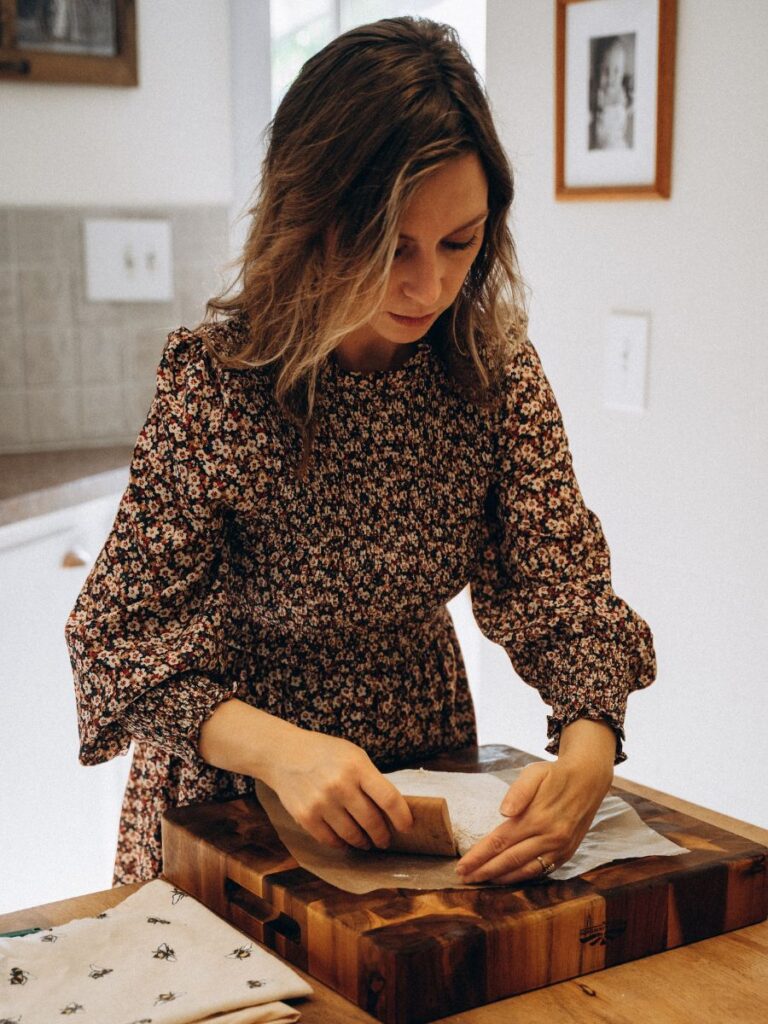
Modern homemaking is strange these days.
Somewhere between productivity culture, aesthetic trends, endless scrolling, and “perfect” homes online, many women have forgotten what a home is actually for.
A home is not a showroom.
It is not content.
It is not a perfectly color-coordinated aesthetic.
A home is where people live.
It is where children grow up.
A place for husbands and wives to reconnect after long days.
Where soup simmers on cold afternoons.
Where laundry piles up and gets folded anyway.
Where grief is carried.
Where birthdays are celebrated.
Where memories are quietly made in ordinary moments.
Modern homemaking is not about recreating the 1950s or rejecting the modern world altogether. It is about learning how to build a meaningful life for your family in the middle of today’s fast-paced culture.
Homemaking Is Not an Aesthetic
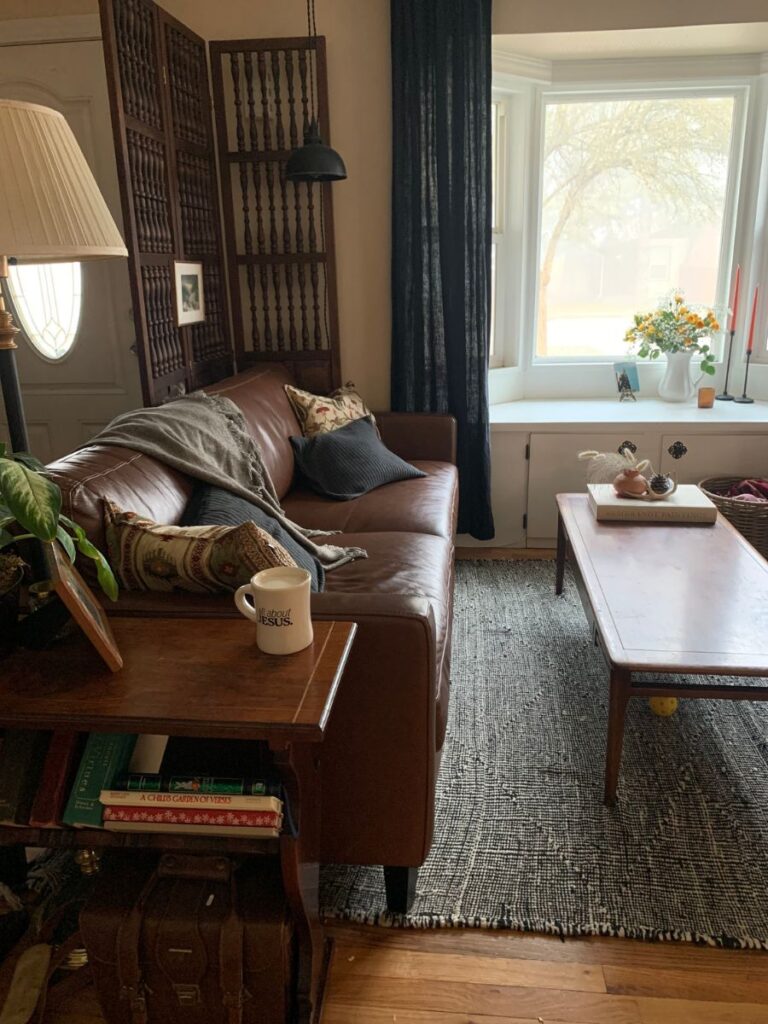
Being a homemaker is not an aesthetic — it is a soul-breathing, renewing occupation filled with both joy and trials.
Not everything in your home needs to look beautiful all the time. Some seasons are messy. Some corners are heavily lived in. Some weeks survival is enough.
But if part of your home is dysfunctional, address it.
Modern homemaking is less about perfection and more about creating systems and rhythms that help your family function peacefully.
Your home should work for you, not against you.
Stop Following Trends and Start Learning
Modern homemakers are constantly pressured into labels.
Crunchy.
Scrunchy.
Organic.
Health nut.
Minimalist.
Traditional.
Modern.
Homestead.
MAHA.
The truth is, you do not need to belong to a niche.
Educate yourself on what matters to your family. Learn. Grow. Change your mind when needed. Your priorities will evolve throughout life because you will evolve throughout life.
Some seasons may focus heavily on healthy food and homemade products. Other seasons may require convenience and rest. Some years you may garden constantly, while others you barely keep the flowers watered.
That does not make you inconsistent.
That makes you human.
Create a Home With Rhythm
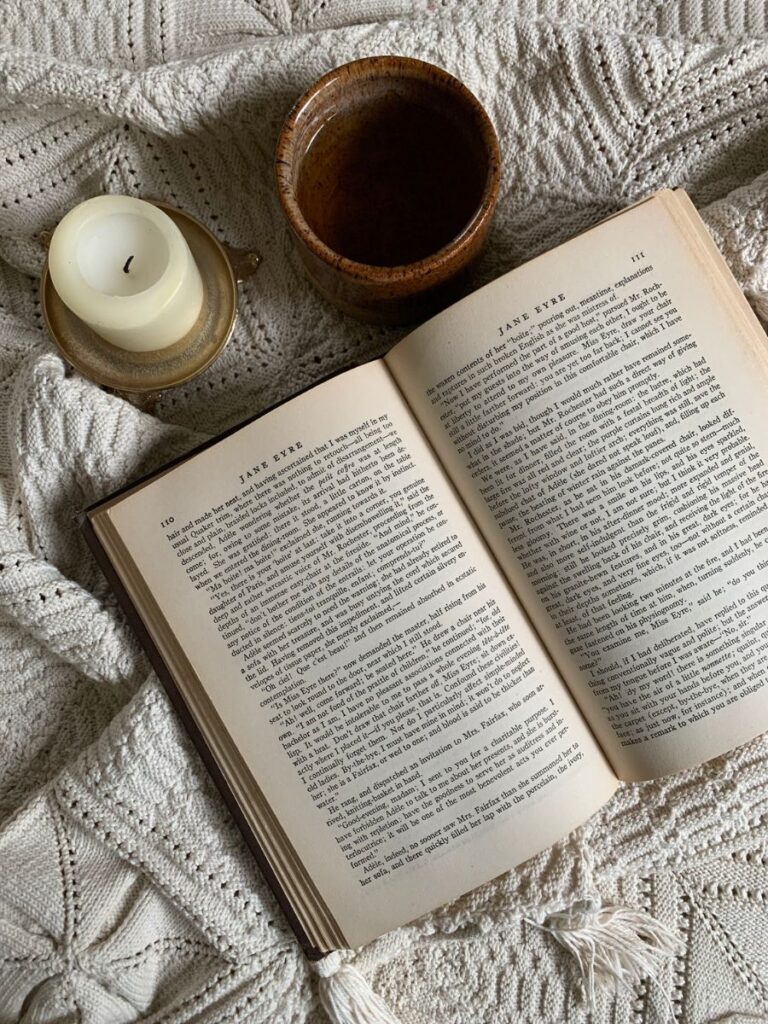
A peaceful home usually has rhythm, not rigidity.
You do not need a color-coded binder full of chore charts to be a good housewife. If detailed systems help you, wonderful. But they are not required.
A paper calendar and reminders in your phone can work just fine.
What matters more is creating structure that supports your family.
When do you want to go to bed?
Do you want to read more?
Would you rather spend your evenings sewing, baking, or sitting on the porch instead of endlessly scrolling?
Before the internet and social media, what would you naturally be doing at home?
Folding laundry after dinner.
Reading a classic with tea.
Looking through sewing or quilting patterns.
Listening to music while cleaning the kitchen.
Talking on the porch at sunset.
Modern homemaking often means returning to slower habits that people quietly abandoned.
Keeping a book nearby can prevent you from mindless scrolling. Finding a good one can be difficult, check out my list of Favorite Wholesome Classics from the past few years if you’re interested in adding to your library.
Declutter Before the Chaos Hits
One of the best homemaking habits is creating regular decluttering seasons.
Do not wait until the house feels unbearable.
Declutter before Christmas.
Before school starts and ends.
Declutter during seasonal changes or children grow.
Declutter toys before birthdays and holidays arrive.
Building decluttering into your routine will make your home manageable throughout the year. But if you declutter only to refill it you’re a hamster in a wheel, creating burnout. What is the point of reducing clutter if in three months your home is overflowing again and your anxiety is climbing with it? If this is hard for you, you may enjoy reading my thoughts on Keeping A Tidy Home With Kids, where I address some practical tips for the home.
Modern homemaking is proactive, not constantly reactive.
Give Better Gifts
Thoughtful gifts create less clutter and more meaning.
Instead of filling your home with random items that will eventually end up at Goodwill, keep ongoing lists of meaningful gift ideas for your children and family members.
Consider gifts like:
- Books
- Cameras
- Hobby supplies
- Games
- Specialty classes
- Pottery memberships
- Music lessons
- Experience gifts
- Art supplies
- Homemade Quilts
You can create this list as a note in your phone, mine is years old and I adjust it every time I think of something. Example: Me: clay cooking pots, bird house, Japanese maple, specific books I want.
I will also include what I did for Christmas stockings last year, giving me ideas for this year.
Meaningful gifts tend to become part of a family culture instead of becoming clutter.
Create Family Culture on Purpose
One of the greatest parts of homemaking is creating a family culture unique to your home.
Not trends.
Not Pinterest perfection.
Not what everyone else is doing.
Your family culture.
Maybe your traditions look like:
- Root beer floats and a Christmas movie every December
- Pasta salad at the beach every summer
- Birthday shopping trips with mom
- Candlelit dinners on ordinary weeknights
- No TV during school nights
- Family movie nights with popcorn every weekend
- Pancakes every Sunday before church
- Christmas traditions and advent candles
These small traditions become the memories your children carry into adulthood.
Core memories are rarely expensive.
They are usually repetitive, comforting, and simple.
Make Something With Your Hands
Every child should have something made specifically for them.
A quilt.
A journal.
A handwritten recipe book.
A painting.
Pajamas.
A scrapbook.
An embroidered pillow.
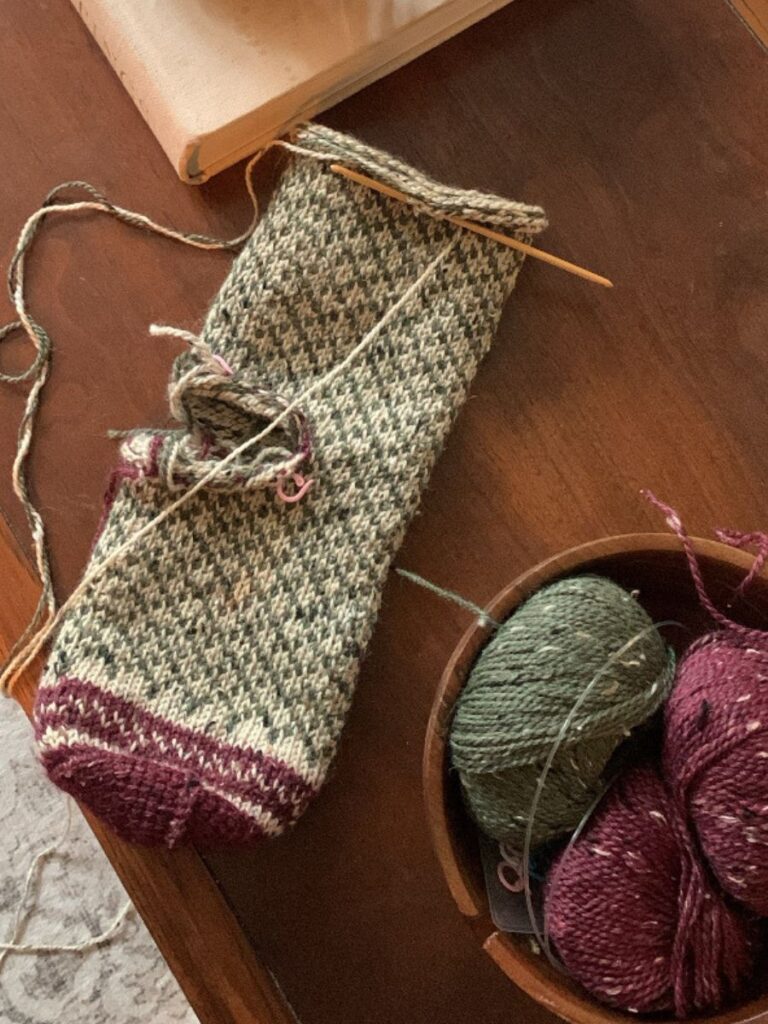
Homemaking is deeply connected to creating tangible reminders of love. Making something with your hands puts a part of your soul into it.
Long after toys are forgotten, handmade items often remain. This is how generations remember grandma and her love, by having something of her long after she’s gone.
Learn to Be Frugal Without Living Miserably
Frugality is not deprivation.
Modern homemaking means learning the difference between wants and needs while still allowing room for joy.
No, not everything needs to be thrifted.
Not everything needs to be homemade.
Not everything needs to be optimized.
But learning to live below your means creates freedom. Whatever your income!
Millionaires don’t become millionaires by spending everything they have.
When your true needs are consistently met, you can comfortably enjoy the wants without financial panic attached to them.
And yes, you should still treat yourself sometimes.
Even frugally.
Buy the good coffee occasionally.
Pick up fresh flowers.
Take yourself to lunch.
Find small ways to enjoy life without guilt.
As mothers we often put ourselves last, over time this will also lead to burnout and resentment. This isn’t self-care culture, this is just plain taking care of yourself.
Use Your Leftovers

One of the least glamorous but most practical homemaking skills is learning how to use leftovers well.
Meals do not always need to look gourmet to be deeply satisfying.
Sometimes the most rewarding meals come from creativity:
A leftover half package of sausage.
The end of a jar of tomato sauce.
A handful of herbs.
A can of beans.
A loaf of bread getting slightly stale.
Food waste quietly drains a budget more than most people realize.
We all feel it when we throw away slimy salad greens, moldy cherry tomatoes, stale bread, or yogurt that expired before anyone ate it.
A good homemaker learns how to stretch ingredients with gratitude instead of constantly chasing perfection.
Work as a Team in Marriage

A homemaker is not carrying a family alone.
Marriage works best as a partnership.
You may manage the home while your husband provides financially, but both roles matter deeply. A healthy home is built on mutual honor and teamwork.
He honors you.
You honor him.
Neither role works well without appreciation for the other.
Create Margin in Your Life
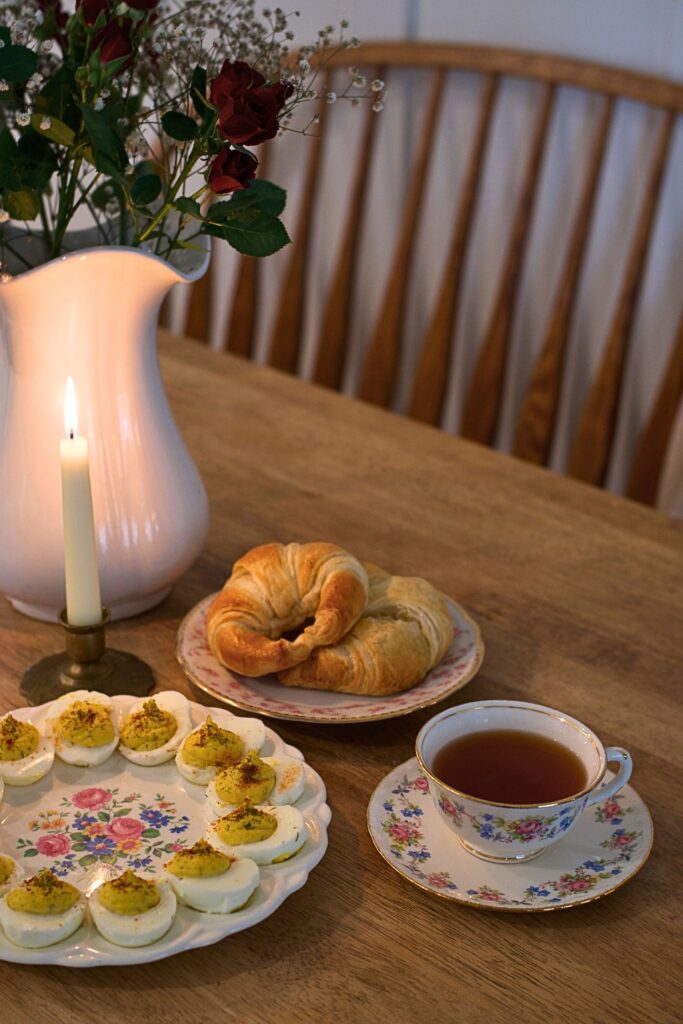
If every hour of your schedule is packed, rest becomes impossible.
Modern homemaking requires margin.
Leave room for:
- Random coffee dates
- Slow mornings
- Beach afternoons
- Bike rides after dinner
- Board games during rainy evenings
- Unexpected conversations
- Rest
Look ahead at the weather.
Notice the rhythms of your family.
Plan for joy before exhaustion forces you to stop.
Prepare Your Heart for the Next Season
One overlooked homemaking habit is preparing ahead emotionally and spiritually.
Instead of only reacting to what already happened, look toward the coming week and ask:
“What is God asking of me next?”
Maybe school is ending and your home needs preparation for summer.
Have you overcommitted and need to remove obligations?
Maybe birthdays, holidays, grief anniversaries, or difficult dates are approaching.
Maybe you’ve unexpectedly entered a health crisis season – whether a child broke a leg or a family member has cancer.
Some dates require intentional preparation.
For me, one of those dates is my father’s death anniversary. I bring fresh flowers to his grave. It is not yet an automatic habit, which means if I do not prepare ahead, it can easily be missed.
Modern homemaking is not only managing tasks.
It is tending to hearts.
The tension between serving others and simply being present with the Lord is not a new struggle. The story of Mary and Martha reminds us that while the work of the home matters, so does tending to our spiritual lives. If you’ve ever wrestled with balancing the two, you may enjoy reading my thoughts on Mary and Martha.
Bring Back Nostalgia
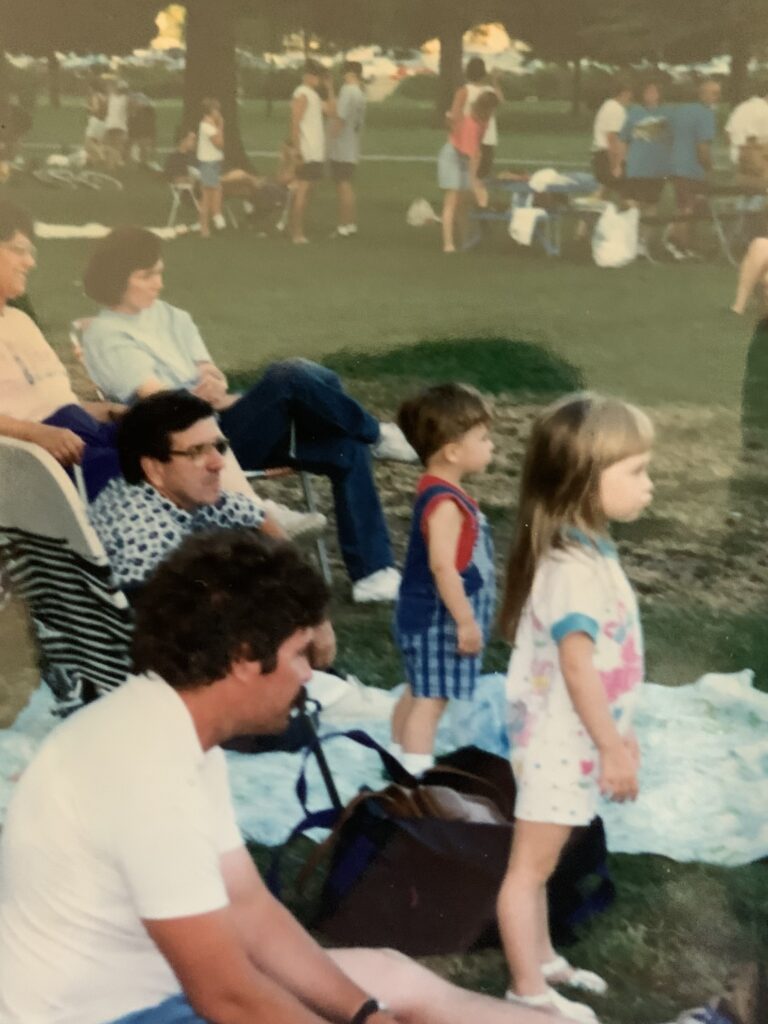
One of the loveliest parts of modern homemaking is bringing back the things that made life feel meaningful when you were young.
The smells.
The music.
The recipes.
The traditions.
The movies.
The dishes.
The simple joys.
Nostalgia creates warmth inside a home.
Not because the past was perfect, but because familiar comforts remind us what matters.
Homemakers Make Homes
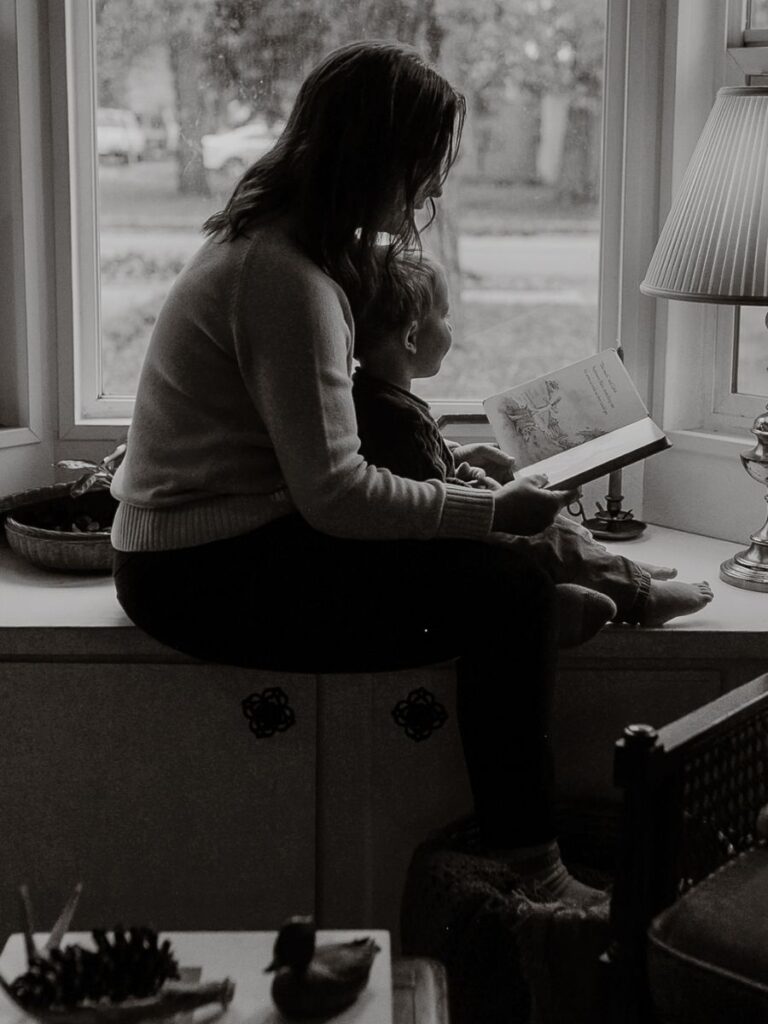
A builder constructs a house.
A homemaker creates a home.
Builders focus on structure and appearance.
Homemakers focus on function, comfort, memory, and belonging.
A home becomes real when the people inside it shape it into something uniquely theirs.
That is the beauty of modern homemaking.
Not perfection.
Not performance.
Not trends.
Just the daily work of creating a life worth coming home to.
Pin now for later


Great post! I so loved “Being a homemaker is not an aesthetic.” Right?! Why does everyone try to make it one? Adds unnecessary pressure.
Love how you bring it back to the heart behind homemaking. It really is so much more than how it looks, especially on social media. Thank you for these reminders!